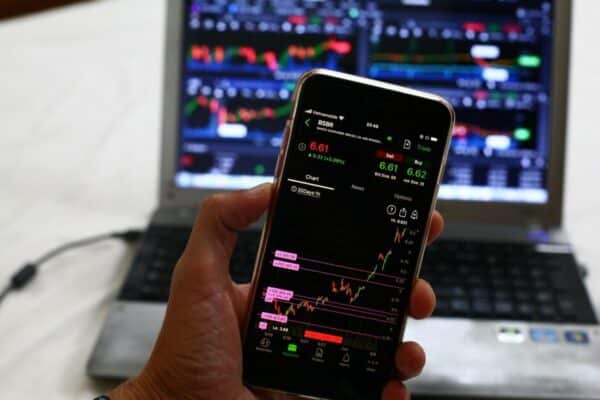
Beginning in 2024, prediction markets saw a meteoric rise in the American marketplace. Popular prediction market platforms such as Kalshi and Polymarket allow users to bet on the outcome of, well…anything: elections, sports, celebrity news, and economic or political events. Regardless of whether these platforms are financial trading platforms or gambling sites remains a distinction that is being debated. However, if you’re someone who struggles with problem gambling the explosion in prediction market activity is a cause for concern. These platforms carry many of the same psychological hooks as casino gambling and sports betting. For those who are vulnerable to gambling disorder, the lure of these trading or gambling platforms are just as dangerous.
Take the Sex and Gambling Assessment
| Gambling disorder formerly called pathological or compulsive gambling is a recognized behavioral addiction classified in the DSM-5 alongside substance use disorders. It is defined by a persistent, recurrent pattern of gambling that causes significant distress and disrupts work, finances, and relationships. Gambling disorder is a brain-based condition driven by the same dopamine reward pathways that underlie other addictions. The thrill of the bet, whether it is on a prediction market platform, a casino table, a sports betting app, or a volatile options trade, creates a neurochemical loop that can be extraordinarily difficult to break without professional support. |
What Are Prediction Markets?
Prediction markets are online platforms that let users buy and sell contracts based on if, when or whether a specific event will happen. Each contract pays out if the event occurs and nothing if it doesn’t. The price of a contract reflects how likely the market collectively believes the event is. On the surface, this sounds like trading and specifically options trading. The platforms market themselves that way (The Commodity Futures Trading Commission—CFTC—sought to prohibit such contracts, arguing that they were akin to gaming and contrary to the public interest; however, Kalshi sued the CFTC in court and won.)* But addiction specialists are increasingly clear; when you are staking money on uncertain future outcomes for financial gain, that is gambling, regardless of what it is called.
These platforms have exploded in popularity. In early 2026, the National Council on Problem Gambling formally called on prediction market platforms to promote gambling addiction resources and recognize that these platforms pose the same risks to consumers as traditional gambling.
Why Prediction Markets Are Particularly Risky
Prediction markets are designed to feel different from gambling which is what makes them dangerous for people prone to compulsive behavior:
- They feel like skill, not luck. Unlike slot machines, prediction markets let you bet on things you may have knowledge about— politics, sports, finance. This creates the illusion that success comes from expertise rather than chance. That illusion can make it much harder to recognize when betting has become compulsive.
- They are available 24/7. The low-friction, always-on nature of these apps mirrors the engagement design of social media and online casinos.
- The topics are endless. Traditional sports betting is limited to games. Prediction markets allow bets on virtually anything. There is always a new market open, which makes it nearly impossible to step away.
- Most participants lose money. Data shows that around 70% of accounts on major prediction market platforms show net losses. A small number of sophisticated, high-volume “whale” traders capture most of the profits — the same pattern seen in casinos.
- They are largely unregulated (for now). Unlike licensed casinos and sportsbooks, prediction market platforms in the U.S. currently operate in a legal grey zone. This means there are few consumer protections, no mandatory self-exclusion tools, and limited age verification on some platforms.
- Financial market adoption. Financial entities such as (CBOE) plan to introduce a prediction markets framework that allows for a partial payout if the trader is directionally correct in their position.
Warning Signs to Look For
Trading on prediction markets is easy to rationalize. Concerns to be aware of:

- Spending more time or money on prediction markets than you intended
- Becoming restless or irritable when you try to stop or cut back
- Chasing losses; betting more to try to win back what you’ve lost
- Wins and losses significantly affect your mood, sleep, or relationships
- Lying to family members or loved ones about how much you are spending
- Using prediction markets to escape stress, anxiety, or difficult emotions
- Feeling a compulsive need to check markets, even when you know you should stop
The Connection Between Gambling Disorder and Other Compulsive Behaviors
If you answered yes to any of the warning signs, your relationship with prediction markets may have crossed into problematic territory. Gambling disorder is one of many behavioral addictions including compulsive sexual behavior, financial infidelity, and problematic trading. The same brain reward circuits that drive sex addiction or compulsive spending drive problem gambling. The high of a win and temporary relief from emotional pain share the same psychological mechanisms across all compulsive behaviors. For many people, prediction markets have become the newest entry point into gambling disorder, particularly for those who have previously engaged in high-risk trading. Recognizing this pattern is an important step in recovery.
What You Can Do

Be honest with yourself. The framing of prediction markets as “trading” makes it easy to minimize the behavior. Call it what it is. If money is at stake on uncertain outcomes and you are struggling to stop, that is gambling—regardless of the amount.
Set firm limits or stop entirely. If you cannot set a spending limit and stick to it, that is a sign the behavior has become compulsive. Delete the apps and remove payment methods to help break the automatic loop.
Talk to someone. A therapist who specializes in gambling disorder and behavioral addiction can help you understand the underlying emotional drivers of the behavior and build a sustainable path out of it.
Reach out to the National Problem Gambling Helpline. You can call or text 1-800-522-4700, available 24/7, for free and confidential support.
You Don’t Have to Figure This Out Alone
Prediction markets are new. The psychological harm they cause is not. If you are struggling with compulsive gambling effective treatment exists. Therapy for gambling disorder addresses the emotional roots of the behavior, not just the behavior itself. That is the difference between white-knuckling and recovery
As a therapist specializing in behavioral addictions including gambling disorder, I work with individuals and couples navigating the financial, relational, and emotional fallout of compulsive gambling.
*Reuters. (2025, May 5). CFTC drops appeal of court ruling in Kalshi case. https://kpmg.com/us/en/articles/2025/current-state-of-prediction-markets.html
